

Winter storms can leave chaos in their wake. Whether it’s heavy snow, ice build-up, or fallen trees, the aftermath can be overwhelming. It’s essential to act quickly and efficiently to limit further damage and return to normal life.
This guide covers the most critical steps in disaster clean-up after winter storms, so you know exactly what to do when snow and ice leave their mark.
Assess the damage safely
Your first priority after a storm should always be safety. Before you head outside to check for damage:
- Make sure it’s safe to do so.
- Look for fallen power lines, which pose a significant threat.
- Always assume downed lines are live.
- Avoid walking under trees or near branches coated in ice—they could snap without warning. If you notice any dangerous situations, call the appropriate emergency services or utility companies immediately.
If you’re in a vehicle and a power line falls on it, don’t get out unless instructed by emergency personnel. Stay in the car and wait for professional help.
Document the damage
After checking for immediate threats, document the damage to your property. Take detailed photos and videos from multiple angles. This step is essential for your insurance claim, so don’t skip it.
Document everything, from roof damage to broken windows and water damage. Be sure to make note of any valuables or structural damage inside your home as well.
If possible, create a written record. Describe the extent of the damage, such as where flooding occurred, how high the snow built up, or what parts of the roof are damaged. Keep this information organized for easy access when dealing with insurance companies.
Prevent further damage
Before moving on to a full disaster clean-up:
- Take steps to prevent any further damage.
- If your roof leaks, use tarps or plastic sheeting to temporarily cover the exposed area.
- If water has seeped into your home, remove excess moisture using wet vacs, fans, or dehumidifiers to avoid mold.
Clear snow or ice from walkways and driveways to prevent slips and falls. If tree branches have fallen close to windows, move them away carefully to avoid shattering glass.
Tip: If there’s ice or snow buildup on your roof, don’t try to knock it off without professional help. Improper removal can lead to more damage or even personal injury. Hire a contractor experienced in winter disasters to handle that part of the job.
Clear fallen trees and debris
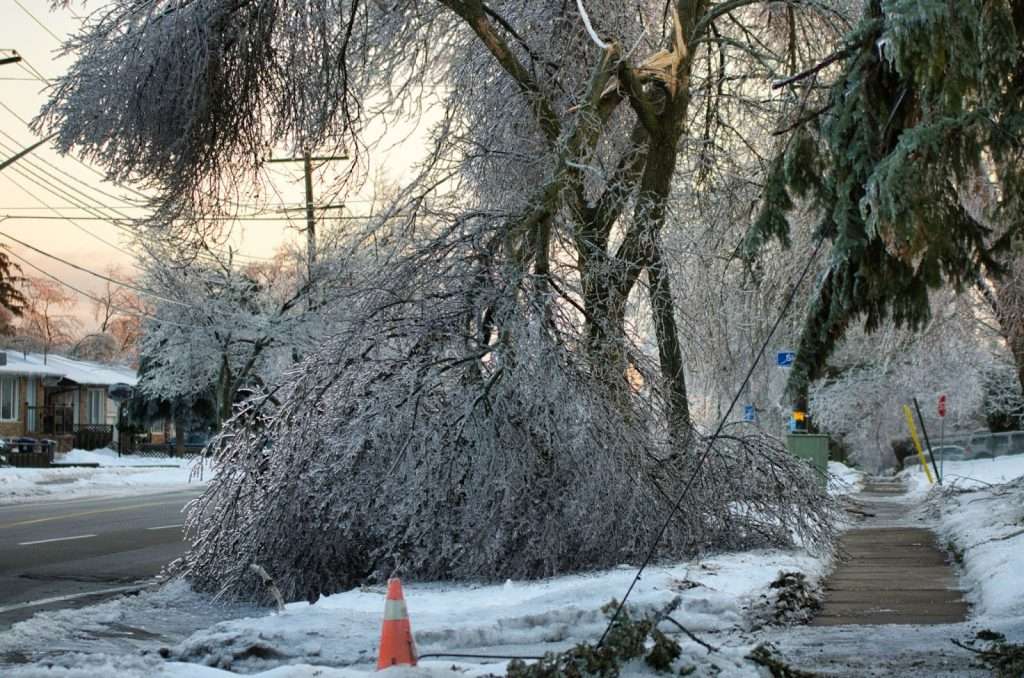
Snow-filled storms often result in broken trees and branches, which can block driveways, roads, and walkways. Removing these hazards requires caution. If you have small branches and debris, use heavy-duty gloves and hand tools to clean the area.
For larger trees or limbs, call a professional arborist or tree removal service to ensure safety. Watch out for hidden dangers under the snow. Branches could be tangled with fallen power lines, and sharp edges might hide in other debris.
Stay alert and avoid using machinery like chainsaws if you’re unfamiliar with them. The aftermath of winter disasters is not the time to test out new equipment.
Fix roof and gutter damage
Ice dams, heavy snow, and wind from winter storms wreak havoc on roofs and gutters. Address roof damage quickly to prevent water leaks, which lead to mold and structural issues. Start by clearing debris from your gutters to ensure proper drainage as the snow melts.
If ice dams have formed, don’t attempt to hack away at them. Ice dams should be removed professionally to avoid puncturing shingles or the roof itself.
For roof repairs, hire a contractor who specializes in post-winter storm repair. They will inspect for hidden damage that you might miss, such as cracks in the roof, damaged flashing, or loose shingles.
Remove water and deal with flooding
Flooding is a common result of winter disasters, especially when frozen pipes burst or snow melts rapidly. Address water removal as quickly as possible. Start by extracting standing water with a wet vac or sump pump. If the flooding is extensive, contact a water damage restoration service to help with the disaster clean-up.
Once the standing water is gone, drying out the affected area is critical. Use fans, heaters, and dehumidifiers to remove moisture from walls, floors, and furniture. Carpets and rugs may need to be removed or professionally cleaned to prevent mold growth. Pay extra attention to your basement, as it’s prone to long-term water damage.
Inspect and repair plumbing
Frozen pipes are a common problem during storms. If you notice any issues with your water pressure or see signs of a burst pipe, turn off your water supply immediately. Inspect exposed pipes in basements, crawl spaces, and attics. If you find any that have frozen, thaw them slowly with warm towels or a hairdryer, avoiding open flames or extreme heat.
If a pipe has burst, you need a plumber right away. Fixing water lines isn’t a DIY project during a disaster clean-up. The damage from burst pipes leads to severe flooding and mold if not handled properly.
Look out for hidden mold
Mold grows quickly after winter disasters, especially in cold, damp conditions. Check your home for signs of mold, particularly in areas with flooding or leaks. Pay attention to musty odors, water stains on ceilings or walls, and visible mold spores. Even small amounts of mold can cause respiratory issues, so it’s critical to address the problem immediately.
For minor mold issues, a mix of water and vinegar works well for scrubbing away spores. Larger infestations need professional remediation. Mold removal experts will identify the extent of the growth, remove it safely, and prevent it from returning.
Take care of your HVAC system
Winter storms can overwhelm your HVAC system. Ice and snow clog outdoor units, and freezing temperatures put extra stress on your heating system. After the storm passes, check your HVAC system for damage or signs of wear. Clean debris from around the outdoor unit and change the filters inside.
Look for frozen coils, which indicate a more severe problem requiring professional repair. If you lost heat during the winter storm, have your system inspected. This ensures it’s running efficiently and prevents any further issues during future winter disasters.
Inspect insulation and windows
During disaster clean-up, don’t overlook insulation and windows. Moisture buildup, drafts, or snow damage might affect these areas. Replace waterlogged insulation to keep energy efficiency high and stop mold from growing. Check your attic and basement for wet insulation or signs of condensation.
Windows are also vulnerable during storms. Look for cracks, leaks, or foggy panes that indicate broken seals. Repair or replace damaged windows to keep your home warm and secure.
Check your electrical system
Winter disasters often cause power outages, which put extra strain on electrical systems once power returns. Once it’s safe, inspect your circuit breakers, outlets, and appliances for damage. If you notice anything unusual, like flickering lights or burnt smells, call an electrician immediately.
It’s essential to have your electrical system inspected after winter storms to avoid dangerous situations like electrical fires.
If flooding occurs in your home, thoroughly check the electrical systems. Water and electricity don’t mix, and it’s better to be safe than sorry when dealing with potential electrical issues.
Handling insurance claims
Dealing with insurance after a disaster clean-up might seem like another storm of its own, but knowing the process helps. Start by contacting your insurance provider immediately.
Explain the damage and submit the photos and videos you took earlier. Be as detailed as possible. If the damage is significant, your insurance company may send an adjuster to assess the situation.
Keep track of all communication with your insurance company, including emails, phone calls, and written correspondence. Once your claim is processed, you’ll work with contractors to repair and rebuild the damage. Always get estimates from licensed professionals and keep all receipts for your records.

Prepare for future winter disasters
After dealing with disaster clean-up, the next step is preparation. Use your experience to make your home more resilient against future winter storms. Have your roof and gutters professionally inspected each fall to ensure they’re in top shape. Add extra insulation to your attic and walls to prevent pipes from freezing and to minimize drafts.
Trim tree branches close to your house, as these tend to break and fall during storms. Invest in a backup generator for power outages and stock up on essential supplies like food, water, batteries, and blankets. Preparing ahead will make future clean-up easier and keep your home safe.
Wrapping up the disaster clean-up
Winter storms might be harsh, but proper disaster clean-up prevents further damage and restores your home to normal quickly. Start by prioritizing safety and documenting the damage. Address immediate threats like water damage, broken trees, or electrical issues. Use professionals when needed, and always have a plan to handle future winter disasters.
By following these steps, you’ll be better prepared the next time winter storms strike. Whether dealing with roof damage, frozen pipes, or fallen trees, knowing what to do makes the disaster clean-up process smoother and safer for everyone.
Reach out to Western Disaster Clean Up today
If winter storms have damaged your home, don’t wait to get professional help. Western Disaster Clean Up provides full-service storm damage clean up to get your home back to its original condition quickly and safely.
Our skilled team manages every part of the cleanup and restoration process, giving you peace of mind as we restore your property. Rely on us for effective, trustworthy service during this tough time.
Contact Western Disaster Clean Up now, and let us help you start restoring your home and peace of mind.
