

Mold can invade any home, spreading rapidly and causing damage to both the structure and the health of those inside. It’s important for anyone dealing with mold to understand how the remediation process works.
This guide answers the most common questions about mold removal, helping you take the right steps to protect your home and family.
What is mold remediation?
Mold remediation is the process of identifying, containing, removing, and preventing mold growth in a building. This process goes beyond simply cleaning visible mold; it addresses the underlying cause, such as moisture or leaks, to stop the mold from returning.
Professionals use specialized equipment and techniques during remediation to ensure thorough removal. This often includes HEPA filters, protective barriers, and antimicrobial treatments. Effective remediation targets visible mold and eliminates hidden colonies lurking in walls, ceilings, or HVAC systems.
How do I know if I need mold removal?
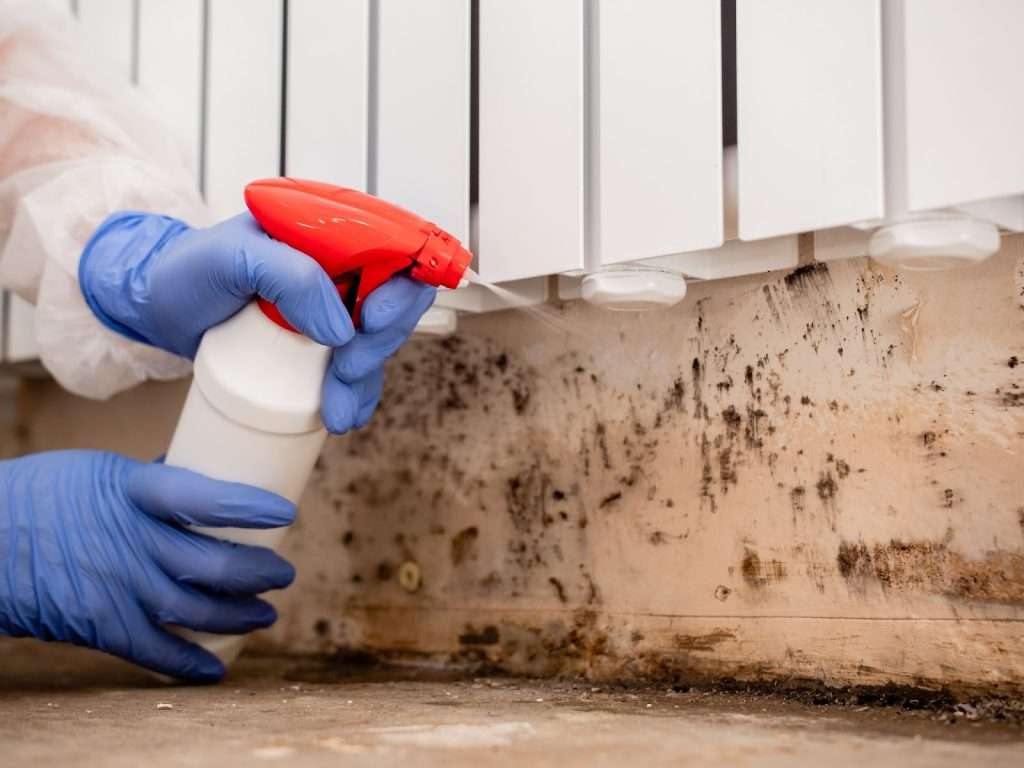
Visible mold growth is the most obvious sign that you need mold removal. Look for dark spots or patches on walls, ceilings, floors, or furniture. Mold often appears black, green, or white, depending on the type and environment. If you see discoloration or fuzzy growth, mold is likely present.
Persistent musty odors often signal hidden mold, even if you don’t see visible growth. Pay attention to damp or humid areas where mold thrives, such as basements, bathrooms, and kitchens. Allergy-like symptoms, such as sneezing, itchy eyes, or respiratory issues, might also indicate mold problems.
What causes mold to grow in a home?
Mold needs moisture, warmth, and organic material to grow. Leaking pipes, roof damage, and poor ventilation create the perfect conditions for mold to spread. High humidity levels inside the home, especially in areas like bathrooms and basements, encourage mold growth.
Flooding or standing water may lead to mold if not addressed quickly. Even small amounts of moisture trapped in materials like drywall, wood, or carpets allow mold to flourish. Controlling moisture is the most effective way to prevent mold problems.
Is mold dangerous to my health?
Mold poses significant health risks, especially for people with allergies, asthma, or weakened immune systems. Common symptoms of mold exposure include sneezing, coughing, itchy eyes, and respiratory problems. Prolonged exposure to mold may lead to more severe issues, such as lung infections or chronic sinusitis.
Some types of mold, such as black mold (Stachybotrys), produce mycotoxins that are harmful to humans and pets. If you suspect toxic mold in your home, act quickly to schedule professional mold removal.
What does the mold remediation process involve?
Mold remediation starts with an inspection to assess the extent of the damage. Professionals use moisture meters and thermal imaging to identify hidden mold and water sources. Once they evaluate the situation, they create a detailed plan for mold removal.
The process often includes these steps:
- Containment: Technicians seal off affected areas to prevent mold spores from spreading.
- Air filtration: HEPA filters remove mold spores from the air.
- Removal: Experts physically remove mold-infested materials, such as drywall or carpets, that cannot be salvaged.
- Cleaning: Technicians clean surfaces with antimicrobial solutions to kill mold and prevent regrowth.
- Drying: Dehumidifiers and fans eliminate moisture to reduce the chance of future mold growth.
The final step involves addressing the root cause, such as fixing leaks or improving ventilation, to ensure the problem doesn’t return.
Can I handle mold remediation myself?
Small areas of mold, usually less than 10 square feet, may often be addressed with DIY solutions. Use a mix of vinegar or hydrogen peroxide to clean non-porous surfaces, such as tile or glass. Always wear gloves, goggles, and a mask to protect yourself from mold spores during cleanup.
For larger mold remediation problems, hire professionals. Mold remediation experts have the tools and experience to handle extensive infestations safely. Attempting to remove large-scale mold without proper equipment risks spreading spores and worsening the problem.

How long does mold remediation take?
The time required for remediation depends on the severity of the infestation. Small jobs may take a few hours, while larger projects could last several days. Inspections and drying time add to the overall timeline.
Professionals aim to complete mold removal efficiently without cutting corners. Thorough remediation eliminates mold, prevents future problems, and keeps your home safe.
Will my homeowner’s insurance cover mold remediation?
Homeowner’s insurance policies vary, but most cover remediation if the damage results from a covered event, such as a burst pipe or roof leak. Policies typically exclude mold caused by neglect or long-term maintenance issues, like high humidity or lack of ventilation.
Review your policy to understand what it covers. Contact your insurance provider to report mold damage as soon as you notice it. Document the problem with photos, and keep records of all related repairs or expenses to support your claim.
What is the cost of professional mold removal?
The cost of mold removal depends on the size and location of the infestation. Small jobs might range from $500 to $1,500, while more extensive projects cost several thousand dollars. Mold in difficult-to-access areas, such as inside walls or HVAC systems, increases the cost.
Investing in professional remediation prevents more significant, costlier problems later. Addressing mold promptly protects your home and health, saving money in the long run.
How can I prevent mold after disaster clean up?
Mold prevention becomes critical after a flood, storm, or plumbing disaster. Start by removing standing water immediately. Use wet vacuums, fans, and dehumidifiers to dry affected areas within 24-48 hours. Discard water-damaged materials like carpets, insulation, or drywall that cannot be thoroughly dried.
Clean all surfaces with an antimicrobial solution to eliminate mold spores. Repair any leaks or structural damage that caused the flooding. Maintain proper ventilation and keep indoor humidity levels below 60% to discourage mold growth.
What should I look for in a mold remediation company?
Choose a company with certified technicians, proven experience, and positive customer reviews. Look for certifications from organizations like the Institute of Inspection, Cleaning, and Restoration Certification (IICRC), which ensures technicians follow industry standards.
Ask about the company’s process, including containment measures and disposal of mold-infested materials. Ensure they address the root cause of the problem, not only surface-level mold removal. Trustworthy companies offer transparent pricing and provide detailed explanations of their remediation plan.
Can mold return after remediation?
Mold will return if you don’t resolve the underlying moisture issue. Proper remediation includes identifying and fixing the source of the moisture, whether it’s a leak, high humidity, or poor drainage.
After the mold removal process, monitor your home for signs of recurring problems. Check for musty smells, discoloration, or condensation in areas prone to moisture. Maintaining low humidity and proper ventilation helps keep mold from returning.
When should I contact a disaster clean up service for mold?
If mold spreads after a storm, flood, or plumbing issue, call a disaster clean up service immediately. These professionals specialize in handling mold problems caused by water damage. They assess the situation, remove mold, and restore your home to a safe condition.
Waiting too long after a disaster allows mold to spread, worsening the damage and increasing the cost of repairs. Acting quickly minimizes health risks and protects your property from further harm.
Why is professional mold remediation worth it?
Professional mold remediation ensures thorough cleanup and prevents mold from spreading or recurring. Experts use advanced tools and techniques that go beyond surface cleaning. They address hidden mold, remove affected materials safely, and prevent spores from contaminating the rest of your home.
Attempting mold remediation without proper training risks missing key areas or worsening the problem. Investing in professional services gives you peace of mind and a mold-free home.
Final thoughts
Mold remediation involves more than wiping away visible mold. Understanding the process and knowing when to call professionals ensures your home stays safe and healthy. Whether dealing with a small patch or a widespread infestation, acting quickly and hiring skilled technicians protects your family and property.
Mold removal may seem overwhelming, but with the right steps and support, you can restore your home and prevent future problems. Don’t let mold go unchecked — prioritize thorough remediation and create a healthy living environment for years to come.
Professional mold remediation with Western Disaster Clean Up
When mold threatens the safety of your home, you need experts who know how to handle it effectively. Whether you’re dealing with visible mold damage or suspect hidden growth is affecting your environment, taking swift action is crucial.
Western Disaster Clean Up delivers top-quality mold remediation services designed to tackle even the toughest situations. Our trained team has the expertise and specialized equipment to address mold at its source, ensuring a complete and thorough cleanup.
We assess the specific types of mold present, evaluate the extent of the damage, and implement a tailored remediation plan that restores your home and protects your family’s health.
Don’t let mold take over your home or compromise your well-being. Contact Western Disaster Clean Up today for expert remediation. Let us help you create a safe, clean, and healthy living space while restoring your peace of mind. Call now at 385-375-2963 to schedule your assessment!
